

Beyond the Episode: Rethinking How Marketers Measure Success
This blog is adapted from the Flying Blind or Fully Measured? episode of The Marketing Insider | A Claritas Podcast, hosted by Monique Ruiz and featuring Heather Roestamadji, Senior Director in Claritas’ Growth Office. You can listen to the full episode, here.
As marketers head into planning cycles with increasingly aggressive growth goals, one question consistently rises to the top: How do you know what’s actually working? In a recent episode of The Marketing Insider, we sat down with Heather Roestamadji, Senior Director of Growth Strategy for Measurement at Claritas, to unpack what effective campaign measurement really looks like and where many organizations still fall short.
This conversation explored the difference between surface-level reporting and true measurement, why attribution and incrementality matter, and how modern tools can help marketers make smarter, more confident decisions.
What Separates Strong Measurement from Weak Measurement?
According to Heather, the biggest gap between high-performing and underperforming marketers is simple: some aren’t measuring at all. Others rely heavily on tools like Google Analytics or basic UTM (source) tracking, which provide limited insight because they depend largely on clicks and logged-in users.
With average click-through rates hovering around just a few percent, click-based measurement captures only a small fraction of campaign influence. Marketers who excel at measurement invest in attribution, allowing them to understand both impressions and conversions and how different channels contribute to results over time.
The Metrics That Matter Most
While impressions and clicks still play an important role as validation that media is delivering as planned, Heather emphasized that they are only the starting point. More meaningful metrics include:
- Conversion events such as add-to-cart actions and purchases
- Revenue tied back to media spend
- ROI by channel and tactic

ROI, in particular, is critical because it informs where future marketing dollars should be invested. Beyond performance metrics, understanding which audiences are being reached and which are converting adds another layer of value. Granular audience insights can inform not only media planning, but also creative strategy and messaging.
Why Audience Insights Go Beyond Demographics
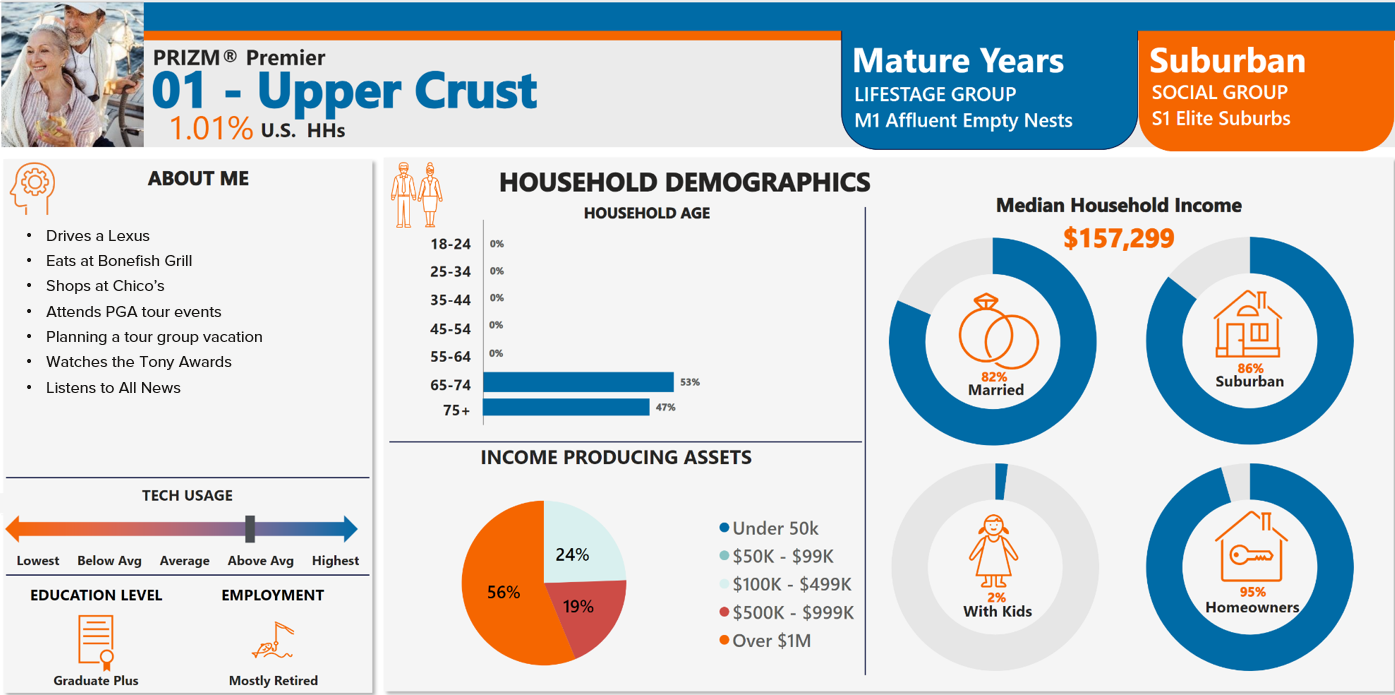
Basic demographic data can provide directional guidance, but Heather highlighted the value of deeper audience segmentation. Advanced segmentation looks beyond age, income, or location to understand behaviors, preferences, media consumption habits, and attitudes.
These insights can help marketers answer questions such as:
- Which audience segments respond best to specific creatives?
- How does impression share align with conversion performance?
- Should targeting strategies shift to prioritize higher-performing segments?
This level of understanding allows marketers to optimize campaigns in real time and make more informed creative and media decisions.
Simplifying Measurement with an Integrated Dashboard
A recurring challenge in marketing analytics is fragmentation, i.e. pulling reports from multiple platforms and stitching insights together manually. Heather described how Claritas’ own integrated, real-time updated dashboard addresses this by bringing campaign performance, attribution data, audience insights, and AI-driven recommendations into a single view.
By centralizing data and insights, marketers can spend less time compiling reports and more time acting on results. If you’re not streamlining your process, now might be the time to update your strategy.
Understanding Incrementality
Incrementality is often discussed, but not always well understood. Heather explained incrementality as a way to measure a campaign’s true impact, distinguishing between conversions that would have happened anyway and those driven specifically by advertising exposure.
There are several ways to approach incrementality, including:
- Baseline analysis using pre- and intra-campaign data
- Randomized control and lift-based methodologies
- More controlled approaches involving PSA-style testing
The right method depends on factors such as budget, campaign maturity, and the advertiser’s level of sophistication. Regardless of approach, incrementality helps marketers understand whether campaigns are truly driving new behavior.
Bringing Attribution to Broadcast Media
While digital channels have long benefited from detailed attribution, broadcast media has historically relied on limited measurement techniques, such as short, time window traffic spikes. Heather explained how a broader lookback window and KPI-based analysis better reflect real consumer behavior.
By applying attribution methodologies consistently across digital, audio, and broadcast channels, marketers gain a clearer picture of how different media types influence outcomes over time, not just immediate site visits.
The Bottom Line
Effective measurement is no longer optional – it’s foundational to growth. As discussed in this episode of The Marketing Insider podcast, the combination of attribution, incrementality, audience insight, and AI-driven analysis enables marketers to understand performance more holistically and act with greater confidence.
Whether evaluating current measurement practices or exploring new approaches, having the right tools and the right partners can make all the difference.